
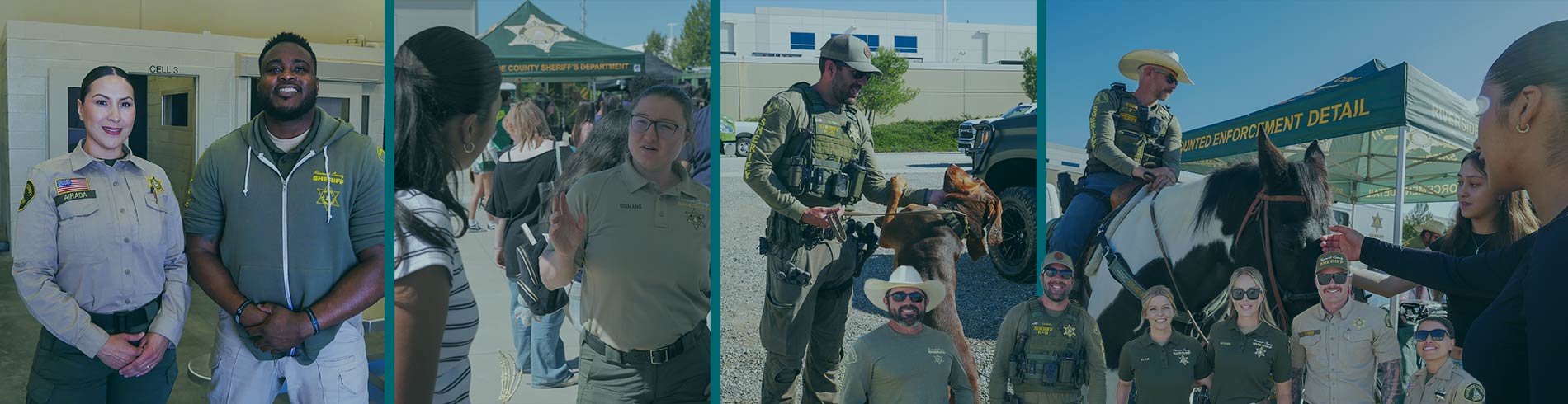
Modern Policing
Prepare for the Future of Law Enforcement
Designed to meet California's educational requirements for future sworn peace officers under AB 89, a Modern Policing associate degree from MVC prepares you for a career in law enforcement through a curriculum that reflects the needs of today's communities. You'll build a strong foundation in the justice system while developing skills in communication, ethical decision-making, cultural awareness, critical thinking, and community engagement.
Whether you're planning to enter law enforcement or continue your studies, you'll gain the knowledge and practical perspective needed to serve with professionalism, integrity, and accountability.
Programs of Study



Modern Policing
Associate of Science
The associate of science degree in Modern Policing is designed to fulfill the state requirements (California AB 89) for future employment as a full time, sworn peace officer, while preparing students to continue studies toward a bachelor's degree.
Program Code
MAS1096
Units
48 Units
Why study modern policing?
Today's law enforcement professionals are expected to do more than enforce laws: they work with people from diverse backgrounds, respond to complex situations, and build trust within the communities they serve. The Modern Policing program helps you develop the knowledge, communication skills, and ethical foundation needed for these responsibilities while preparing you for future career and educational opportunities. MVC's modern policing program of study meets California AB 89 educational requirements for future peace officers, and prepares students to transfer for continued university study.
California's AB 89 Changed Peace Officer Requirements
- Raised Minimum Age: Elevated the baseline age requirement to be hired as a California peace officer from 18 to 21 years old.
- Mandated Higher Education: Ordered the transition away from a high school diploma/GED baseline toward a mandatory college degree requirement (minimum Associate or Bachelor's level).
- Created Modern Policing Framework: Redirected officer academic prep toward social sciences, mandating coursework in psychology, communication, history, ethnic studies, emotional intelligence, and critical thinking.
What You'll Learn
- The fundamental duties, obligations, and philosophies of a multicultural society and the importance of social justice in the law enforcement profession.
- Ethical and effective application of analytical and critical thinking skills to evaluate and assess law enforcement interactions with multicultural communities, and the impact on traditionally marginalized communities and individuals.
- Historical and present-day diversity, human rights, and civil rights as it pertains to the interactions of the police with the communities they serve.
- The generational impact of events and the implementation of culturally competent and emotionally intelligent policing practices within the American justice system.
- The role of the police in a modern society in which all individuals are entitled to equal protection under the law and no individual is above the law regardless of their social, ethnic, or economic status/condition.
Possible Career Paths
- Police officer
- Probation officer
- Correctional officer
- Community service officer
- Crime analyst
- Public safety dispatcher
- Loss prevention investigator
- Federal law enforcement careers
Employment as a sworn peace officer or other law enforcement requires meeting the hiring standards established by the employing agency.